Dental implants in Austin, TX planned, placed and restored under one roof — by a prosthodontist, the specialist trained specifically in replacing teeth. Your plan is built around your bone, your bite and your face.
Free 3D scan and written treatment plan · Most consultations booked within a week
A replacement root, not a bridge
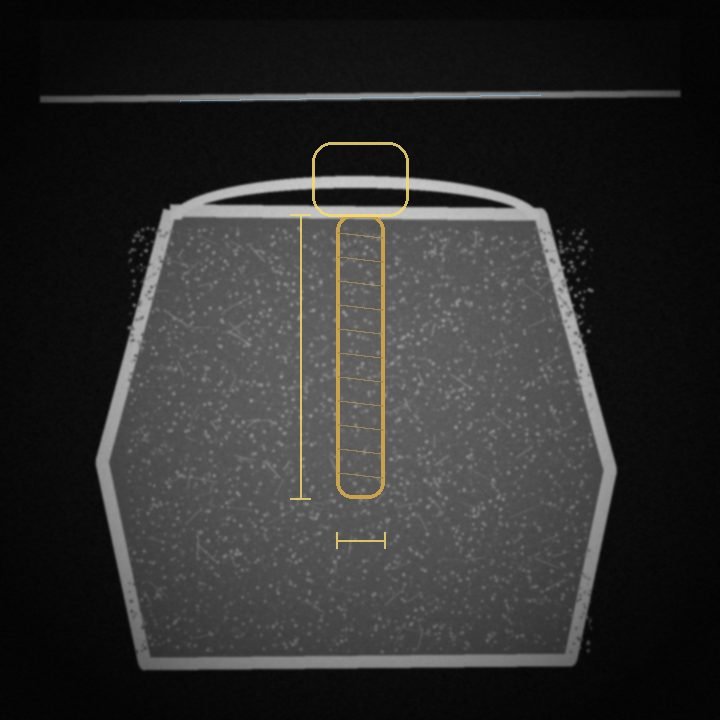
Tap any point on the implant to see what it does. Your own teeth stay untouched — nothing is filed down to hold it in place.
4.9Google rating, 380+ Austin patients
3,000+Implants placed and restored
0%Financing available up to 24 months
One daySurgery to a fixed temporary arch
The difference in Austin
Three extra years of training, spent entirely on replacing teeth
Any licensed dentist can place an implant. A prosthodontist spends a full residency after dental school on one thing: how teeth are rebuilt, how a bite carries load, and how a restoration is made to look like it grew there.
That matters most when the case is not simple — a front tooth in a thin ridge, an arch that has been failing for years, a bite that has collapsed. Dr. Caffroni plans the surgery and the final teeth as one design, so the implant goes exactly where the finished tooth needs it.
3 yrsPost-doctoral prosthodontic residency
1 of 8Roughly the share of U.S. dentists who are specialists
0.3 mmGuided placement accuracy from CBCT planning
One roofSurgery, lab work and follow-up in one practice
Consultations run 60 minutes. You leave with a written plan and a number.
Treatments
Four ways to replace what's missing
Which one fits depends on how many teeth are gone, how much bone is left, and what you want to be able to eat. All four start from the same free scan.
This is what goes in: a threaded titanium post about the size of the root it replaces, an abutment that passes through the gum, and a zirconia crown milled to match the tooth beside it. Drag to spin it.
4.1 mmTypical fixture diameter for a molar site
10–13 mmLength, chosen from your bone height
Grade 4/5Commercially pure or alloyed titanium
35 NcmInsertion torque needed for a same-day tooth
Rendered to scale from the geometry of a typical tapered implant system. Your case may use a different diameter, length or connection — that decision comes out of the scan.
Drag to rotate
Rotate
Find your starting point
Which solution is likely to fit
Four questions, no email, no phone number. It won't replace a scan — but it will tell you which conversation you're actually having, and roughly what it costs.
Answers stay in your browser. Nothing is sent anywhere.
Ranges are real Austin figures, not teaser pricing
Takes under a minute
How many teeth are you replacing?
Your treatment journey
Four appointments, from first scan to final smile
Most single-tooth cases run about four months end to end. Full-arch patients walk out with fixed teeth on surgery day. Here is the whole path — tap a stage to see what actually happens.
Smile transformation
Drag to see the difference
Three of the most common situations we treat in Austin. Pull the handle across, or use the arrow keys.
BeforeAfter
Illustrative renderings, not patient photographs. Texas dental advertising rules require before-and-after images to be genuine, unretouched cases of this practice with signed patient consent. Replace these with real cases before launch.
Getting the colour right
A tooth is never one flat colour
Pick a shade and watch the new crown change against its neighbours. This is roughly the conversation we have in the chair — except in daylight, with your own face next to it.
A2 — the common starting point
Roughly the middle of the natural range. Most adult teeth sit between A1 and A3.5, and darken slowly with age and coffee.
Shade names follow the classical VITA arrangement used across dentistry. Colours here are approximations for the screen — no monitor is a shade guide.
What actually happens
The procedure, step by step
Nobody enjoys not knowing. Here is exactly what happens in the bone, from the first millimetre to the finished tooth.
Reading your own scan
What we're looking at, and why
At your consultation this is on the screen in front of you. Tap the markers to see what a prosthodontist reads off it — the same walkthrough you'd get in the chair.
Five things a specialist checks first
Bone height and width at the site, how close the sinus or the nerve sits, the health of the neighbouring roots, and whether anything already in the mouth is failing quietly.
Illustrative radiograph generated for teaching. Not a patient record.
CBCT cross-section · lower right first molar site11.4 mm available height6.8 mm ridge width2.0 mm clearance to sinus
Digital planning
The implant is placed twice — once on screen, once in you
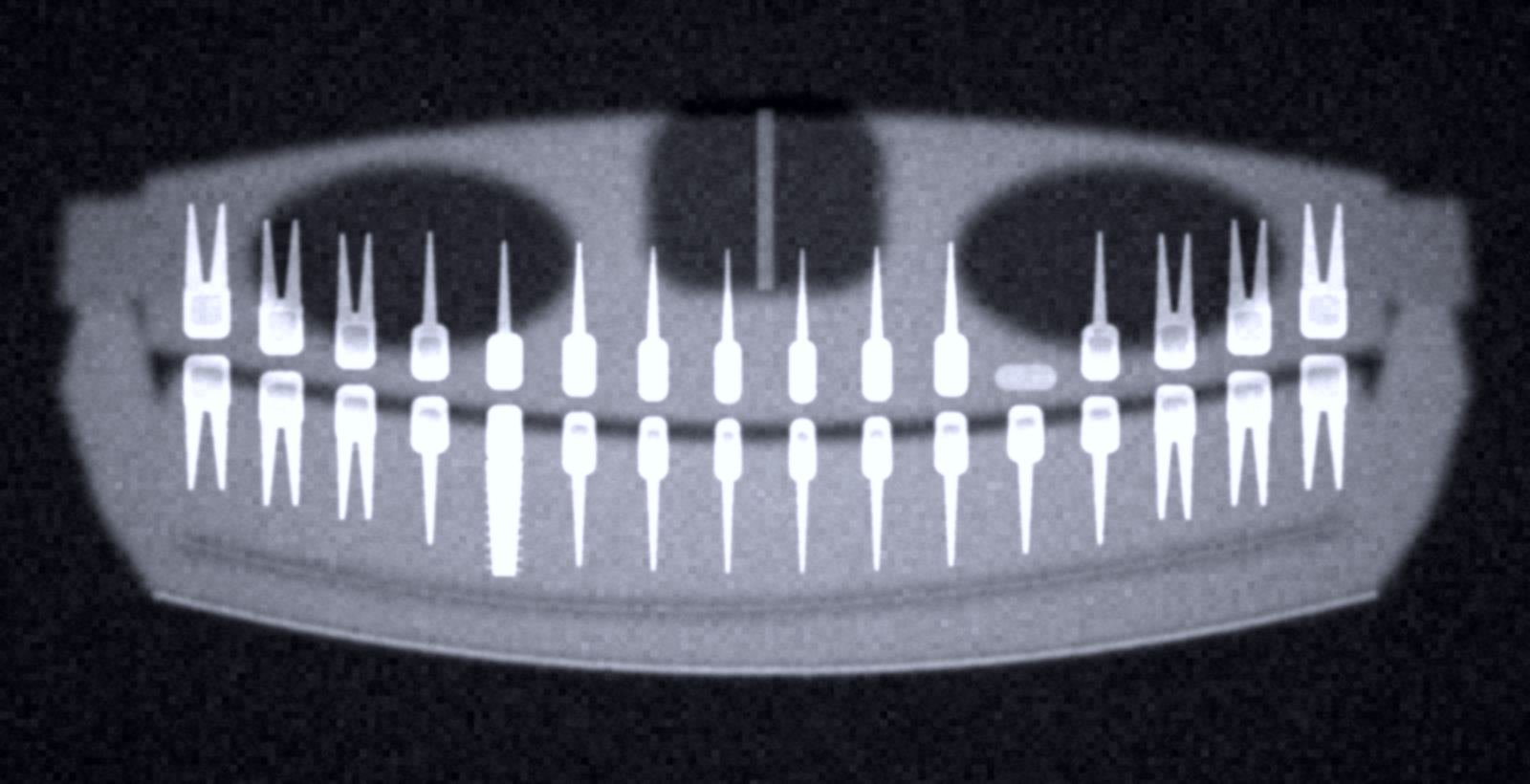
A panoramic image is flat. A CBCT is not: it slices the jaw in any direction, so bone width can be measured rather than guessed, and the distance to the sinus floor or the nerve is a number instead of an estimate.
The fixture is positioned in software first, under the tooth that will sit on top of it. A surgical guide is then printed from that plan, so the angle and depth on the day match the angle and depth on the screen.
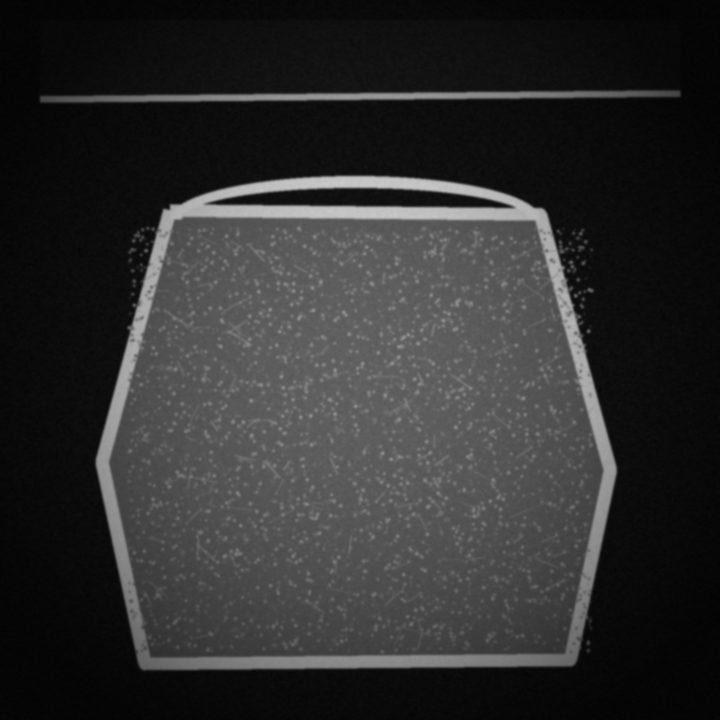
Synthetic cross-section for illustration.
Inside the practice
Take a look around before you come in
Four rooms, one building on MoPac. Scanning, planning, surgery and the lab all happen here — nothing gets posted to an outside lab and guessed at.
Tap a room. Layout shown is indicative.
Reception & consultationWhere the plan gets explained — on screen, in plain English, with the cost on the page.
ECPLACEHOLDER — professional portrait of Dr. Caffroni to be supplied
About the dentist
Dr. Ehesar Caffroni
Prosthodontist · DDS, MS
Dr. Caffroni limits their practice to implant and reconstructive dentistry. Every case here is planned personally — the scan is read, the implant position designed, and the final teeth drawn before a single instrument is picked up.
Post-doctoral prosthodontics residencyThree years of specialist training in replacing and restoring teeth
Licensed by the Texas State Board of Dental ExaminersLicense number to be listed here
Member, American College of ProsthodontistsAnd the Academy of Osseointegration
Guided surgery and full-arch certificationTrained on the implant systems used in this practice
PLACEHOLDER. Every credential above is illustrative structure only. Confirm the exact degrees, licence number, board status and memberships before publishing — misstated credentials are a TSBDE advertising violation.
Estimate only, for planning. Not an offer of credit, and not a quote for treatment. Actual rate, term and approval come from the third-party lender based on your credit. Treatment fees are confirmed after your examination.
Patient stories
In their own words
Three patients on what the year before treatment was like, and what changed afterwards.
2:14
"I hid my teeth in every photo for six years. I stopped doing that about a week after the crown went on."
Marisol lost an upper front tooth to a failed root canal in 2019 and wore a flipper for years. Single implant, guided placement, zirconia crown shade-matched to the tooth beside it.
MRMarisol R.Single-tooth implant · Zilker
3:02
"I walked in with an upper arch that was done for and walked out the same afternoon with teeth. I ate barbecue that weekend."
Dave had advanced periodontal disease across the upper arch. Four implants, angled to avoid the sinus, fixed provisional bridge placed on surgery day, final zirconia arch four months later.
DPDave P.All-on-4 upper arch · Round Rock
1:47
"Twelve years of adhesive and a denture that moved when I talked. Two implants fixed the whole problem."
Jeanette's lower denture had become unwearable as the ridge resorbed. Two implants with locator attachments; the existing denture was converted rather than remade.
JWJeanette W.Implant-supported denture · Cedar Park
PLACEHOLDER testimonials. Written as examples of the right tone and length. Replace with real, signed patient testimonials — and get a HIPAA authorisation for every name, photo and video before it goes on the site.
G
4.9
384 Google reviews · Austin, TX
Reviews are pulled live from the practice's Google Business Profile.
Went to three consults before this one. The only place that showed me the scan, explained why the other plan would have failed, and put the whole cost on one page. No pressure at all.
TSTom S.2 months ago
Terrified of dentists my whole life. They did the sedation, I remember almost none of it, and I was back at work the next day. The front desk called me twice that week to check in.
ANAndrea N.5 weeks ago
The new tooth matches so well my wife couldn't tell me which one it was. Worth every dollar and the financing made it manageable.
RKRaymond K.3 months ago
Drove in from Dripping Springs and would do it again. Straight answers about what I needed and what I didn't — they talked me out of a more expensive option.
LGLucia G.6 months ago
Common questions
The things people ask in the first five minutes
If yours isn't here, call the practice and ask. Nobody will try to book you for something you don't need.
The placement itself is done under local anaesthetic, so you feel pressure but not pain. IV sedation is available if you'd rather not be aware of it at all. Afterwards, most patients describe it as less uncomfortable than an extraction and manage with ibuprofen for two or three days.
A single implant, abutment and crown generally runs $3,900–$5,500 here depending on whether grafting is needed. A full arch on four implants starts around $24,500. Full mouth — both arches — is usually $46,000–$58,000.
Those are real ranges, not teaser pricing. Your exact figure is confirmed in writing after the scan, and it doesn't move afterwards.
Many plans now contribute something toward implants, typically between $1,000 and $2,500 a year, and often more toward the crown than the surgery. We'll run a benefits check before your consultation so you know the number in advance rather than afterwards.
The titanium post itself commonly lasts decades — long-term studies put survival above 90% at ten years or more. The crown on top is the part that wears, and may need replacing after 10–15 years, much like any other restoration.
What shortens that is gum disease and smoking, which is why hygiene visits are built into the plan.
Usually not. The ridge does shrink once a root is gone, and after several years there may not be enough width left to place an implant directly — but grafting rebuilds it, and angled or zygomatic approaches can work around severe loss. The scan tells us in about ten minutes.
Full-arch patients leave surgery with fixed temporary teeth the same day. For single teeth, you're never without something visible — a temporary is fitted while the implant fuses, and the final crown goes on three to four months later.
Frequently, and it's usually the reason someone has waited years. Tell the front desk when you book. We'll plan longer appointments, talk through each step before it happens, and offer oral or IV sedation.
Barton Oaks Plaza on South MoPac, just south of Bee Cave Road — about ten minutes from downtown and easy from West Lake Hills, Zilker and Barton Hills. Free surface parking outside the building.
Where our patients come from
Implant patients from across Central Texas
Ten minutes from downtown on MoPac, with free surface parking — which matters when a full-arch case means a dozen visits.
Downtown AustinWest Lake HillsZilkerBarton HillsTarrytownCedar ParkRound RockLakewayBee CaveDripping SpringsGeorgetownBuda
Book a consultation
Free consultation, free 3D scan, written plan
Sixty minutes. You'll see your own scan on screen, hear what's realistic for your bone, and leave with the cost in writing. No obligation to book anything after it.
Most consultations available within a week
Insurance benefits checked before you arrive
Second opinions welcome — bring your existing plan
Evening slots on Tuesdays and Wednesdays
Prefer to just talk to someone?Call (512) 555-0142 — Monday to Thursday 8–5, Friday 8–2.
Step 1 of 3 — what brings you in
Takes about 40 seconds.
Please tell us your name
We need a number that can receive a call
Check the email address
That's booked as a request
Someone from the practice will call you back on the next business day to confirm a time. If it's urgent, call (512) 555-0142 instead.
Demo form — nothing is transmitted. Connect this to the practice's CRM or a HIPAA-compliant form handler before launch.
A titanium root, a custom tooth, and a plan designed by a prosthodontist before anything is drilled. Here's how implants work, who they suit, and what they cost in Austin.
It replaces the root, which is the part everything else depends on
A bridge sits on top of the gum and borrows support from the teeth beside it. A denture rests on the ridge. An implant goes into the bone, where the root used to be.
That distinction is not cosmetic. Bone only keeps its shape while something is loading it. Take the root away and the ridge in that spot starts to resorb within the first year — which is why long-standing gaps eventually change the shape of the lower face. An implant puts load back through the bone and the resorption largely stops.
It's three parts: a threaded titanium post in the bone, an abutment that connects through the gum, and the crown you actually see. The connection between them — the internal hex in our own logo — is what keeps the whole assembly from loosening under a bite that lands thousands of times a day.
Nothing healthy gets cut downUnlike a bridge, which needs the neighbouring teeth filed to stumps
Bone is preservedLoading through the implant keeps the ridge from collapsing
It's cleaned like a toothBrush and floss around it; no soaking, no adhesive
Bite force comes backClose to a natural tooth, rather than the fraction a denture allows
Choosing between the options
Implant, bridge or denture
Implant
Fixed bridge
Removable denture
Healthy teeth affected
None
Two or more, filed down
Clasps can strain them
Bone preserved
Yes
No
No — usually accelerates loss
Typical lifespan
Decades for the post
10–15 years
5–8 years before relining
Feels fixed
Yes
Yes
No
Cost, one tooth
$3,900–$5,500
$3,000–$4,800
$1,600–$2,800
Time to complete
3–4 months
2–3 weeks
3–6 weeks
Ranges are typical Austin-market figures for planning purposes.
When the bone isn't ready
Grafting, sinus lifts and the "you're not a candidate" verdict
If you've been told elsewhere that there isn't enough bone, that's often a statement about the technique on offer rather than about your mouth. A ridge that's too narrow can be widened. An upper back tooth site sitting under a dropped sinus can be lifted. A severely resorbed upper arch can sometimes be restored with implants anchored in the cheekbone instead.
The honest part: grafting adds four to six months and cost, and it isn't always worth it. Sometimes the better answer is a different implant position, or fewer implants carrying a bridge. We'll tell you which one you're looking at.
The CBCT scan settles the question in about ten minutes.
Bring us the plan you already have
Second opinions are free here too. If someone else's plan is right for you, we'll say so.
One missing tooth, replaced root and all — without touching the two beside it. The most common case we treat, and the one where the difference between good and excellent is entirely in the planning.
Anyone can put an implant in bone. Making it disappear is the specialty.
A back molar just has to work. A front tooth has to be invisible — which means the gum has to scallop around it at the same height as its neighbour, the crown has to catch light the same way, and the shade has to match a tooth that is never one flat colour.
Getting that right means deciding where the finished tooth goes first, then placing the implant to serve it. Do it the other way round and you end up with a crown that is technically fine and obviously fake.
Custom abutment shaped to support the gum contour, not a stock part
Shade taken in daylight, layered zirconia rather than a single block
Provisional crown worn while healing, to train the gum into shape
Screw-retained where possible, so it can be removed and serviced
Typical investment
$3,900–$5,500
Implant, custom abutment and crown. Grafting, if needed, is quoted separately.
A complete fixed arch carried on four implants, angled to use the bone you already have. Teeth on the same day, in most cases without any grafting at all.
The back two are tilted, and that changes everything
The bone at the front of the jaw stays dense long after the back has thinned out. All-on-4 exploits that: two implants go in straight at the front, and two more are angled backwards so they engage that same dense bone while their tops emerge far enough back to carry molars.
The result is a bridge spanning the whole arch on four anchors, usually without a sinus lift or a graft, and rigid enough to take a fixed provisional the same afternoon. Some arches need five or six implants — that's a decision made from the scan, not from a brochure.
Surgery day runs about three hours per arch.
Single arch
$24,500
Four implants, extractions, fixed provisional the same day, final zirconia arch
Both arches
$46,000
Full-mouth reconstruction, upper and lower, including IV sedation
Complex cases
From $52,000
Where grafting, zygomatic implants or extensive extractions are required
Figures are starting points, quoted in writing after the scan.
Surgery day, hour by hour
You arrive with failing teeth and leave with a fixed arch
1
7:30am · Settle in
30 minutes
Final photos, vitals, sedation started. You're comfortable before anything begins.
2
8:00am · Extractions
45–60 minutes
Remaining teeth removed and the ridge contoured to receive the implants.
3
9:00am · Implants placed
60–75 minutes
Four implants through the surgical guide, torque measured on each to confirm stability.
4
11:00am · Teeth fitted
90 minutes
The provisional arch is converted, fitted and adjusted. You leave with fixed teeth.
Find out whether four implants will hold your arch
The scan answers it on the day. No cost, no commitment.
Two to four implants, and a denture that clicks onto them and stays there. Lower cost than a fixed arch, and the single biggest quality-of-life change we can make for long-term denture wearers.
Upper dentures suction. Lower ones never really do.
An upper denture has a palate to seal against. A lower one sits on a horseshoe of ridge with a tongue underneath it, and as that ridge resorbs over the years there's progressively less to hold on to. No adhesive fixes the underlying geometry.
Two implants with locator attachments change the situation completely: the denture snaps down, stops lifting when you chew, and comes out at night as usual. In many cases we can convert the denture you already own rather than making a new one.
Attachment inserts wear and are replaced roughly once a year — a small, inexpensive maintenance visit. Worth knowing before you start, not after.
Two implants, lower
$11,800
Two implants, locator attachments, conversion of an existing well-fitting denture
Four implants, bar-retained
$18,400
Four implants joined by a milled bar, new premium denture. Considerably more stable.
Bring the denture you're wearing now
We'll tell you honestly whether it's worth converting or replacing.
Real implant dentistry rarely looks dramatic in a photograph — which is exactly the point. The best result is the one nobody notices.
BeforeAfter
These are illustrative renderings, not patients. Under Texas State Board of Dental Examiners advertising rules, before-and-after images must be genuine, unaltered photographs of this practice's own patients, with written consent, and cannot imply a guaranteed result. This gallery is built and ready — drop the real case photography in and it goes live.
Case notes matter more than the photo
When the real gallery is populated, each case should carry what was done, how long it took and what made it difficult. A picture with no context persuades nobody who's been reading about this for six months.
Shot the same way every time
Same lighting, same retractors, same angle, no flash tricks. Consistency is what separates a clinical gallery from marketing, and it's what an informed patient is checking for.
Ask to see cases like yours
At the consultation we'll show you cases with the same starting point as yours, not the easiest ones.
Went to three consults before this one. The only place that showed me the scan, explained why the other plan would have failed, and put the whole cost on one page. No pressure at all.
TSTom S.2 months ago · Google
Terrified of dentists my whole life. They did the sedation, I remember almost none of it, and I was back at work the next day. The front desk called me twice that week to check in.
ANAndrea N.5 weeks ago · Google
The new tooth matches so well my wife couldn't tell me which one it was. Worth every dollar, and the financing made it manageable across two years.
RKRaymond K.3 months ago · Google
Drove in from Dripping Springs and would do it again. Straight answers about what I needed and what I didn't — they actually talked me out of the more expensive option.
LGLucia G.6 months ago · Google
Four months from the first appointment to the final crown, and every date they gave me held. That never happens. Parking is easy too, which matters more than you'd think when you're coming in ten times.
BHBenjamin H.4 months ago · Google
I had my whole upper arch done. Eating a steak again after eleven years of a denture is genuinely emotional. The team here understood that and didn't make me feel silly about it.
CMCarol M.8 months ago · Google
PLACEHOLDER reviews. These are written examples showing the layout and tone. Pull the real ones through the Google Places API or an embedded review widget so they update themselves — and never publish a review that hasn't actually been left. Only add aggregateRating to the page schema once the real figures exist.
Nobody has $24,000 sitting spare. Almost everyone can manage a monthly number. Here's exactly how patients pay for this, with no vagueness about the figures.
Payment calculator
Find your monthly figure
Move the sliders. The numbers update live — no form, no email required.
Estimate only. Not an offer of credit and not a treatment quote. Rate, term and approval are set by the third-party lender based on your credit; treatment fees are confirmed after examination.
Insurance
Most plans contribute $1,000–$2,500 a year and often cover the crown more generously than the surgery. We check your benefits before the consultation and file the claims for you. We're out of network with most carriers, which usually makes less difference than people expect.
Third-party financing
CareCredit, Proceed Finance and Sunbit are the usual routes. Promotional 0% periods of 12 and 24 months are common for smaller cases; longer terms for full-arch work carry interest. Approval takes a few minutes and a soft check first.
HSA and FSA
Implants are an eligible medical expense. If you have a balance sitting in an HSA, this is one of the highest-value things to spend it on — and timing treatment across two plan years can stretch annual maximums further.
Staged treatment
Full-mouth work doesn't have to happen at once. Doing one arch, then the other six months later, splits the cost across two insurance years and two budgets. It's clinically fine in most cases and we'll tell you when it isn't.
Confirm which lenders the practice is actually enrolled with, and their current promotional terms, before publishing this page.
Prosthodontics residencyThree post-doctoral years in replacing and restoring teeth
Texas State Board of Dental ExaminersLicence number to be listed
American College of ProsthodontistsAnd the Academy of Osseointegration
Guided full-arch surgeryCertified on the implant systems used here
Background
A practice limited to one thing
Most dental practices do a bit of everything. This one doesn't. Every appointment on the schedule is an implant consultation, a placement, or a restoration being fitted — which means the instruments, the imaging, the lab and the surgical protocol are all built around a single kind of work.
Dr. Caffroni reads every scan personally and designs every implant position before surgery, then designs the teeth that go on top. That continuity is the argument for a prosthodontist: the person who decides where the implant goes is the same person who has to make the final tooth look right, and they can't blame each other.
How consultations are run here
Sixty minutes, no fee, and no treatment coordinator selling in the last ten. You'll see your own CBCT on screen, hear what the bone will and won't allow, and be given a written plan with the full cost — including the parts other quotes tend to leave out, like grafting, sedation and the final restoration.
PLACEHOLDER biography. The structure, tone and length here are right; the content is written by way of example. Replace with Dr. Caffroni's actual training history, licence number, affiliations and case volume before this page is published. Texas rules on specialty announcements and credential claims apply.
The team
Who else you'll meet
Surgical assistants
Two dedicated implant assistants, both trained in IV sedation monitoring. The same faces from consultation through to the final fit.
In-house lab technician
Crowns and full arches are designed and milled on site, which means the shade is checked against your face rather than a photograph.
Treatment coordinator
Handles the insurance check, the financing application and the scheduling — so those conversations happen away from the chair.
Hygiene team
Implant maintenance is its own discipline. Six-monthly checks keep the tissue around the implant healthy, which is what makes it last.
Technology is only worth mentioning if it alters the outcome. Here is what's in the building, what each machine actually does, and what it means for your case.
Cone beam CT (CBCT)
A 12-second scan that produces a three-dimensional volume of your jaw. Bone width is measured rather than estimated, the nerve canal and sinus floor are mapped, and the implant can be positioned before anything is opened. Radiation dose is a fraction of a medical CT.
12 seconds0.1 mm voxelsIncluded free at consultation
Intraoral scanning
A wand that photographs the mouth thousands of times a second and builds a digital model. No trays, no impression material, no gagging — and the file can be sent to the mill in the next room instead of couriered to a lab in another state.
No impression traysSame-day design
Guided surgery
The CBCT and the intraoral scan are merged, the implant is placed in software, and a guide is printed that seats on your teeth or ridge. Drills pass through metal sleeves at a fixed angle and depth — the placement matches the plan to within a fraction of a millimetre.
Printed per caseFlapless where possible
In-house milling and sintering
Crowns and full arches are milled from zirconia blocks on site and sintered overnight. The practical difference: shade is checked against your face in daylight, adjustments happen the same day, and a fractured temporary doesn't mean a week without teeth.
5-axis millLayered zirconia
Torque-controlled placement
Every implant goes in against a measured resistance. That number decides whether you can carry a tooth immediately or need to wait — it's the difference between a judgement call and a measurement, and it's recorded in your notes.
Measured per fixture35 Ncm threshold
Photogrammetry for full arches
Capturing the exact 3D relationship between four or six implants is the hardest part of a full-arch case, and where most misfits come from. Optical capture removes the guesswork so the final bridge seats passively rather than being forced into place.
Full-arch casesPassive fit
Confirm which of these systems the practice actually owns, and name the specific manufacturers, before publishing.
See your own scan on the screen
The CBCT is free at your consultation, and the images are yours whether or not you treat here.
A large share of our patients haven't been to a dentist in years, and it isn't usually about cost. Nobody here is going to be surprised by that, or make you explain it.
Four levels, and you choose
Local anaesthetic onlyFully awake and numb. Most single implants are done this way and patients are often surprised how uneventful it is.
Nitrous oxideInhaled through a small nasal mask. Takes the edge off within a minute and wears off within five, so you can drive yourself home.
Oral sedationA tablet taken an hour before. You're awake and responsive but relaxed, and usually remember very little. You'll need a ride.
IV sedationTitrated through a cannula and monitored throughout. Most full-arch patients choose this. The three hours tend to pass as about twenty minutes.
PLACEHOLDER. Confirm the practice's sedation permit level with the Texas State Board of Dental Examiners, and who holds it. Advertising a sedation level the practice isn't permitted for is a serious violation.
Things that help more than people expect
Telling us at booking, so we schedule longer and don't rush
A first visit where nothing is done except talking
An agreed hand signal that stops everything, immediately
Your own headphones. Genuinely.
Morning appointments, before the day builds up
Bringing someone with you into the room
Recovery, honestly
A single implant: mild soreness for two to three days, managed with ibuprofen. Most people work the next day. A full arch: three to five days of swelling and a soft diet for two weeks. You'll have a direct number to call, and somebody rings you the evening of surgery.
Tell us you're nervous when you book
It changes how the appointment is scheduled, not how you're treated.
Bone only keeps its shape while a root is loading it. Take the root away and the ridge narrows — about a quarter of its width in the first year alone. Grafting puts back enough to hold an implant properly.
The four procedures, and when each is used
Socket preservationGraft material placed at the moment a tooth is removed. Adds almost nothing to the appointment and prevents most of the collapse that would otherwise happen. If you're having an extraction and an implant is anywhere in your future, do this.
Ridge augmentationFor a site that has already narrowed. Particulate graft and a membrane widen the ridge over four to six months before the implant goes in — occasionally at the same visit if there's enough starting width.
Sinus liftUpper back teeth sit under the maxillary sinus, and the sinus floor drops as the bone resorbs. The membrane is lifted and graft placed underneath, creating height where there was none. Done through a small lateral window, or through the implant site itself when less height is needed.
Block or plate graftingFor severe defects. A block of bone or a titanium-reinforced membrane rebuilds substantial volume. This is the longest and most demanding route, and we'll be direct about whether it's worth it for you.
What the graft is made of
Usually processed mineral from a bovine or human donor source, sterilised and stripped of all organic material — it acts as a scaffold that your own bone grows into and eventually replaces. Synthetic options exist. If the source matters to you for religious or personal reasons, say so and we'll plan around it.
When grafting isn't the answer
Sometimes a shorter implant, a different angle, or fewer implants carrying a bridge avoids grafting entirely. All-on-4 exists precisely because tilting the back implants can make a sinus lift unnecessary. We'd rather avoid a graft than sell you one.
Typical additions
Socket preservation$450–$900
Ridge augmentation$900–$2,400
Sinus lift$1,800–$3,200
Verify these against the practice's fee schedule.
Told elsewhere you don't have enough bone?
That's often a statement about the technique on offer rather than about your jaw. Bring the scan, or we'll take a new one.
Sixty minutes, no fee, no obligation. Here is exactly what happens so there are no surprises — including the part where we talk about money.
Before you arriveWe run your insurance benefits so the numbers are ready. If you have recent X-rays elsewhere, email them and we may not need to repeat them.
The conversation firstTen minutes with Dr. Caffroni before anything goes near your mouth — what's been happening, what you want to be able to eat, what you've been told previously.
ExaminationThe remaining teeth, the gums, the bite, and how the jaw moves. Often the reason a tooth failed matters more than the tooth.
3D scanTwelve seconds in the CBCT, then the images on screen with you, going through them together.
The plan and the numberOptions, trade-offs, timeline and total cost, printed. Including the alternative you might prefer and the one we'd advise against.
You go homeNobody asks for a decision in the room. If you want to book, the front desk will; if you want to think, that's the expected answer.
Bring with you
Photo ID and your insurance card
A list of your medications — especially blood thinners, bisphosphonates and steroids
Any treatment plan or quote you've been given elsewhere
Your current denture or partial, if you wear one
Questions, written down. You will forget them otherwise.
Questions worth asking any implant dentist
Who places the implant, and who makes the final tooth?
How many of these have you done in the last year?
Which implant system, and is it widely serviceable?
What's included in the quoted price, and what isn't?
What happens — and what does it cost — if it fails?
Ask us these. Ask everyone else them too.
Book the hour
Free, including the scan, whether or not you go ahead.
Titanium isn't rejected the way a transplanted organ is — there's no immune response to fight. What can happen is a failure to integrate, where bone doesn't bond to the surface, usually within the first few months. It occurs in a small percentage of cases, more often in smokers and in poorly controlled diabetes. If it happens, the implant is removed, the site heals, and in most cases it can be replaced.
Often, yes — it's called immediate placement, and it saves months. It depends on whether there's infection at the site, how much bone remains around the socket, and whether the implant achieves enough initial grip. A front tooth with intact surrounding bone is the ideal case. An abscessed molar with a blown-out socket usually isn't.
The neighbouring teeth drift into the gap and the opposing tooth over-erupts, so the bite changes over a few years. The ridge narrows. Chewing shifts to the other side, which loads those teeth harder. None of this is an emergency — but each year of waiting makes the eventual treatment slightly more involved and slightly more expensive.
Sometimes we aren't. Where there is a difference, it buys three extra years of training focused on this exact problem, planning and restoration done by the same person, and an in-house lab rather than an outsourced one. For a straightforward back-tooth implant a good general dentist may be the sensible choice, and we'll say so.
No. The amount of titanium is tiny and it's non-magnetic. MRI scans are fine too — tell the radiographer anyway, since metal can distort images of the head and neck.
The implant and crown can't decay. The gum and bone around them absolutely can become inflamed — peri-implantitis — and it behaves like gum disease. It's the main long-term threat to an implant, it's usually painless until it's advanced, and it's why maintenance visits are part of the plan rather than an upsell.
Smoking raises the failure rate meaningfully and slows healing, particularly with grafting. It isn't an automatic no. Stopping for two weeks before and eight weeks after surgery makes a real difference, and we'd rather have that conversation honestly than have you hide it.
Yes, and a lot of patients do. Staging across two insurance years uses two annual maximums, and it splits the cost. Clinically it's fine in most cases. Where it isn't — usually when the bite would be unstable in between — we'll tell you.
Ask this of every practice and get the answer in writing. Ours should cover the fixture and the restoration for a defined period, conditional on attending maintenance visits.
Based off South MoPac in Austin, ten minutes from downtown, with free surface parking — which matters more than it sounds when a full-arch case means a dozen visits.
Central & West Austin
Downtown, Zilker, Barton Hills, Tarrytown, Clarksville, West Lake Hills, Rollingwood. Ten to fifteen minutes on MoPac, and the closest practice to the 78746 and 78704 ZIPs limiting itself to implant work.
North Austin corridor
Cedar Park, Round Rock, Georgetown, Pflugerville, Leander. Most northern patients book morning appointments before southbound traffic builds, and we keep 8am slots open for them.
Hill Country & west
Lakeway, Bee Cave, Dripping Springs, Spicewood, Steiner Ranch. For patients driving 40 minutes or more we'll combine appointments where it's clinically sensible, so one trip does two jobs.
South & southeast
Buda, Kyle, Manchaca, Sunset Valley, Del Valle. A straight run up MoPac or South First, and a free lot rather than downtown parking garages.
Travelling from further
San Antonio, Killeen, Waco, the Rio Grande Valley. Full-arch treatment can be compressed into fewer, longer visits for out-of-town patients — tell us at booking and we'll plan the sequence around your travel.
Second opinions
Bring a quote from anywhere. We'll read the scan, tell you whether the plan is sound, and say so plainly if it is. That consultation is free and carries no expectation that you switch.
901 S MoPac Expy, Austin, TX 78746
Barton Oaks Plaza, Building 2, Suite 250. Free surface parking outside the door.